Advanced DNA and RNA analysis using long-read sequencing
for genomic, epigenomic and transcriptomic research projects.
Sequencing is a fundamental tool for understanding the architecture and function of genetic material.
Third-generation technologies enable the direct reading of DNA and RNA molecules, allowing a more comprehensive analysis of biological systems.
DNA sequencing is a fundamental method for determining the order of nucleotides present in a DNA or RNA molecule.
This technology enables the study of the structure and function of genetic material and the identification of variations that may influence biological processes.
In recent years, sequencing technologies have undergone significant evolution: from traditional techniques to Next Generation Sequencing (NGS), through to third-generation platforms, such as those developed by Oxford Nanopore Technologies.
La tecnologia Oxford Nanopore Technologies (ONT) represents
one of the most significant innovations in the field of genomic sequencing.
This approach enables the direct analysis of DNA or RNA molecules as they pass through a biological nanopore, generating characteristic electrical current variations for each nucleotide.
Signal variations are decoded in real time, allowing the sequence of the analysed molecule to be reconstructed without the need for fragmentation or amplification.
Thanks to this operating principle, Nanopore sequencing enables the generation of very long reads, allowing the comprehensive analysis of complex genomic regions and facilitating the study of the structural organisation of the genome.
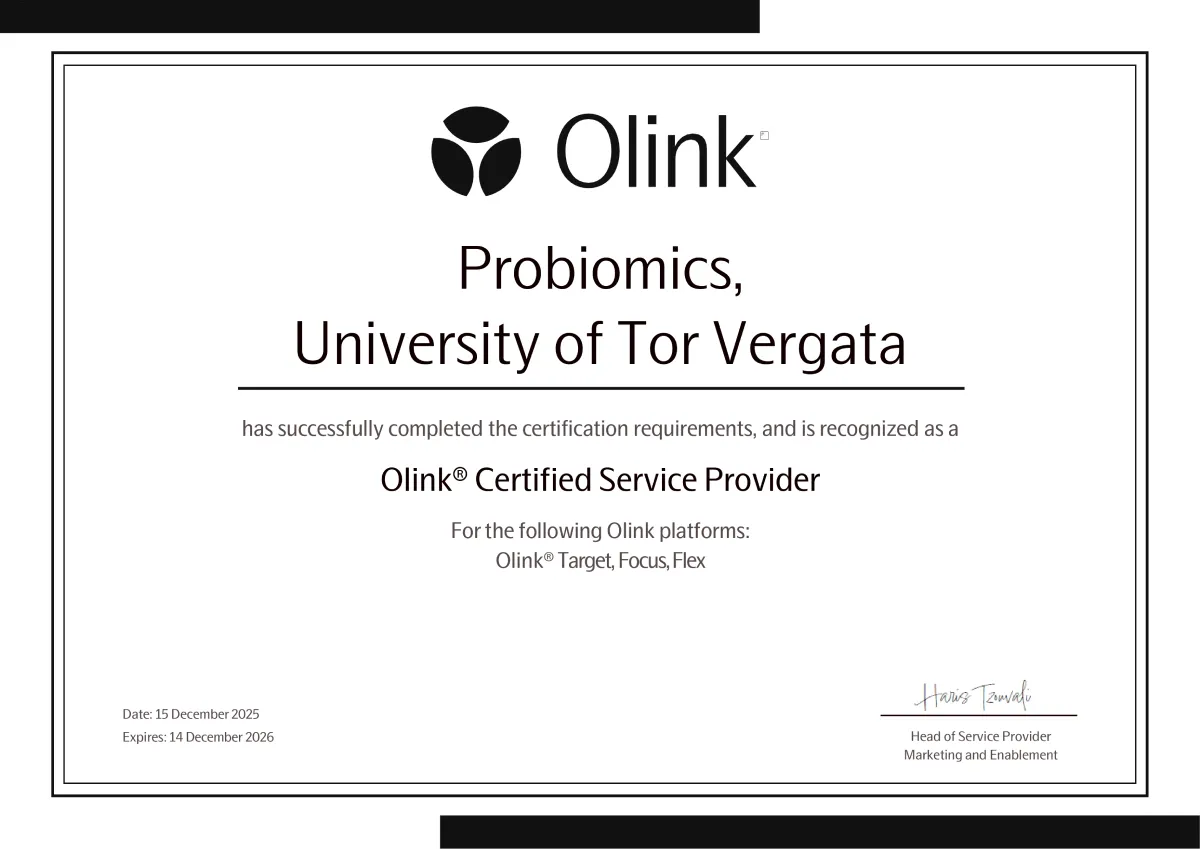
Probiomics is certified as an Oxford Nanopore® Service Provider for the use of sequencing technology in the fields of genomics, epigenomics and transcriptomics.
The certification attests compliance with the quality standards defined by Oxford Nanopore Technologies®.
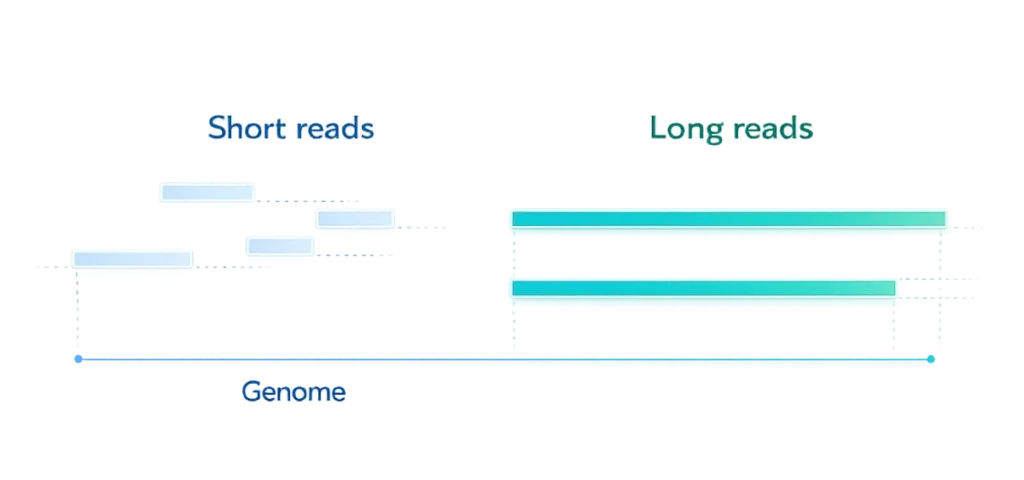
Third-generation sequencing technologies, such as Oxford Nanopore, enable the direct reading of very long DNA or RNA fragments.
This approach allows the analysis of complex genomic regions that are difficult to reconstruct using short-read technologies.
Long-read sequencing also facilitates the identification of structural variants, direct haplotype phasing and comprehensive transcript analysis.
Probiomics offers a comprehensive sequencing service based on Oxford Nanopore technology,
covering all phases of the experimental and analytical process: from sample preparation to data generation and interpretation.
Preparation and quality of biological material.
Support in sample preparation and definition of the most suitable protocol to ensure the quality and integrity of the material to be sequenced.
Genomic data generation.
Sequencing carried out using Oxford Nanopore platforms to obtain long-read data suitable for the analysis of complex genomic regions.
Validation and control of generated data.
Raw data processing, quality control and verification of result reliability prior to downstream analyses.
Biological interpretation of results.
Advanced bioinformatic analysis to extract relevant biological information and support the interpretation of the obtained data.
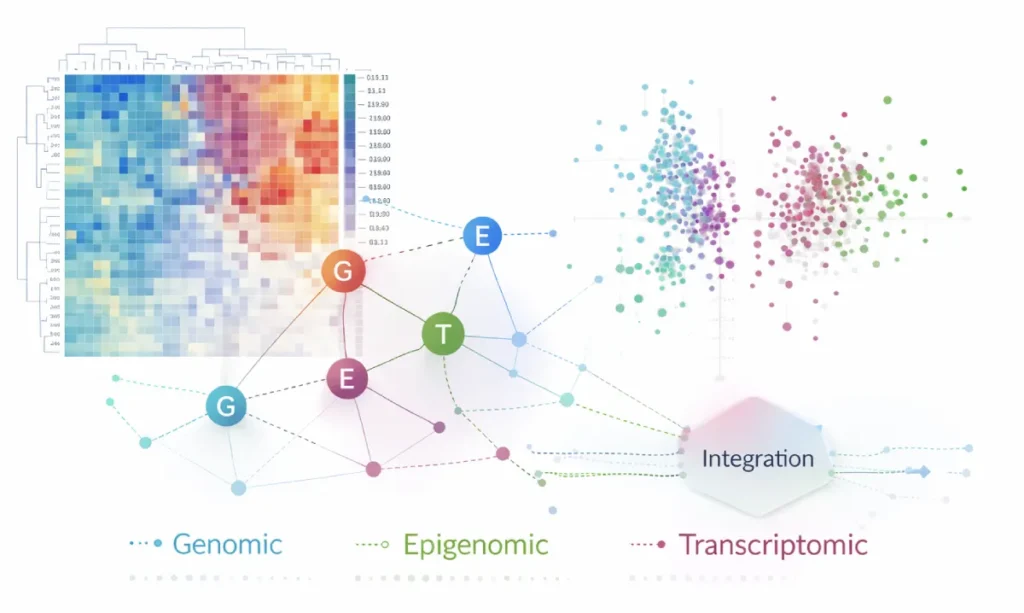
Data generated through sequencing can be integrated with other omics analysis levels to obtain a more comprehensive view of biological systems.
The integration of genomic, epigenomic and transcriptomic data enables the coordinated study of the molecular mechanisms that regulate cellular processes and the biological basis of disease.
This approach makes it possible to link genetic information to epigenetic regulation and gene expression, supporting complex research projects and multi-omics studies.
The Nanopore technology-based approach enables the analysis of different levels of biological information, allowing the integrated study of the genome, epigenome and transcriptome.
Sequencing of the entire genome for the study of genomic architecture, structural variants and genetic polymorphisms.
Analysis of epigenetic modifications directly on the native DNA molecule.
Study of the transcriptome through direct sequencing of complete transcripts.
Sequencing analysis results are provided in the form of
structured datasets and scientific reports that facilitate data interpretation.
Answers to the most common questions about samples, analyses and results.
Probiomics offers several sequencing approaches based on Oxford Nanopore technology, applicable to different levels of genomic analysis.
Key available services include:
Thanks to long reads, this technology enables the analysis of complex genomic regions, identification of structural variants and more comprehensive characterisation of biological systems.
Several types of biological sample are suitable, including:
Oxford Nanopore technology enables the analysis of sequences ranging from 100 bp to over 50 Kbp, allowing the analysis of complex genomic regions and identification of structural variants.
Results are delivered within 2–4 weeks of receiving samples and documentation.
For large-scale studies, a customised agreement is arranged.
Results may include:
Yes. The sequencing service can be integrated with advanced bioinformatic analyses, including data processing pipelines, comparative analyses and biological interpretation of results.
Yes, you can request their return upon project completion.
Results are accessible in the reserved area of the Probiomics website.
The sharing of large raw datasets is managed on a case-by-case basis according to the needs of the study.
Ogni progetto scientifico richiede un approccio metodologico adeguato e competenze integrate.
Il team di Probiomics supporta ricercatori e istituzioni nella progettazione e nell’analisi di studi genomici basati su tecnologie di sequenziamento avanzate.
Probiomics only uses technical cookies required for the site to function. On the login page, Google reCAPTCHA is loaded to protect against bots, which may install profiling cookies: accept or decline from the panel. Details in our Cookie Policy.
Tell us briefly about your project or analytical need.
Our scientific team will evaluate your request and get back to you.
Tell us briefly about your project or analytical need.
Our scientific team will evaluate your request and get back to you.